FBA transportation plan for clothing to Thailand
- Time of issue:2025-08-07
FBA transportation plan for clothing to Thailand
- Time of issue:2025-08-07
When planning to ship clothing to Thailand via FBA (Fulfillment by Amazon), it’s crucial to have a well-organized transportation strategy. This ensures that your goods reach Amazon’s fulfillment centers smoothly and efficiently. By understanding the steps involved, including transportation options, customs regulations, and the logistics of FBA, sellers can streamline the process, reduce costs, and improve delivery times.
Understanding FBA and Its Significance for Sellers
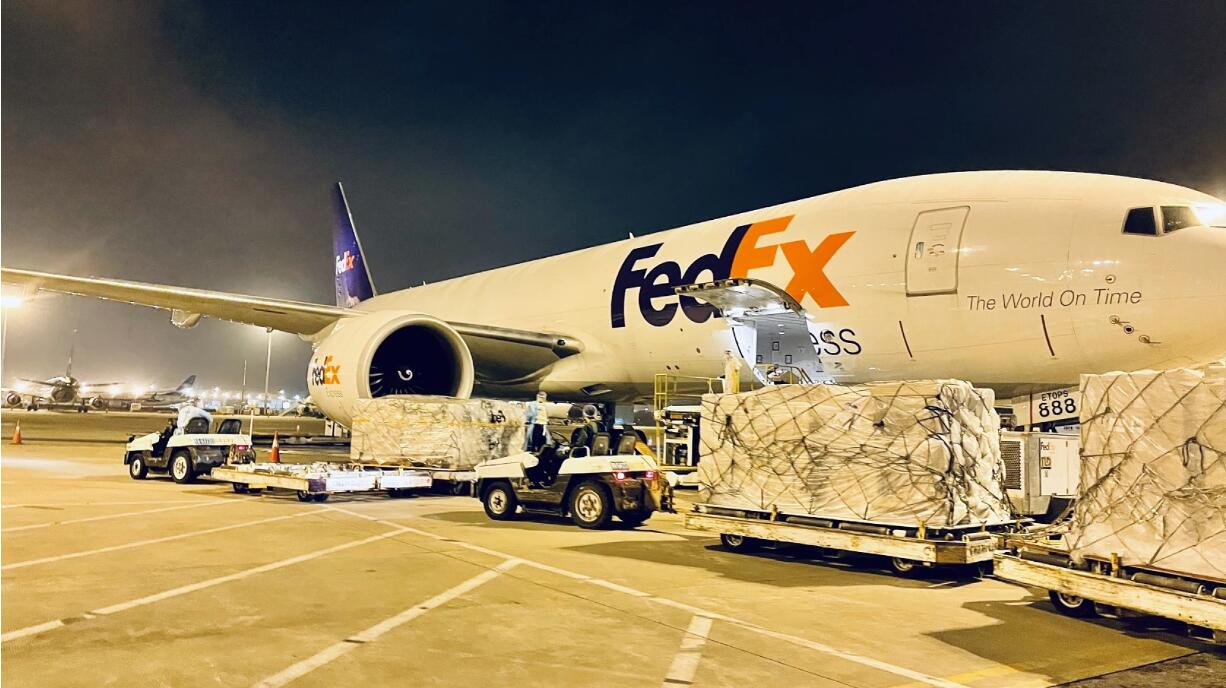
Fulfillment by Amazon (FBA) allows sellers to store their products in Amazon’s fulfillment centers, and Amazon takes care of the shipping, customer service, and returns. For sellers shipping clothing to Thailand, it’s essential to grasp how FBA works in an international context. Using Amazon's global reach can help businesses tap into the Thai market and beyond.
Choosing the Right Shipping Method
When planning transportation for clothing to Thailand, the first step is selecting the right shipping method. There are several options to consider, each with its benefits and drawbacks.
- Air Freight: Air freight is the fastest method, ideal for time-sensitive shipments. It ensures faster delivery, but it tends to be more expensive. For high-value or urgent shipments, air freight may be the best choice, as it typically takes 3-5 days to ship goods from international locations to Thailand.
- Sea Freight: Sea freight is the most cost-effective option for large shipments, although it takes longer. Shipping by sea can take 14-30 days, depending on the origin country and port of departure. This method is ideal for bulk clothing shipments, as it helps reduce overall shipping costs.
- Express Shipping: Services like DHL, FedEx, and UPS offer express shipping options for smaller volumes. This is a more affordable alternative to air freight while still offering relatively fast delivery times, typically between 5-7 days.
Handling Customs and Documentation
One of the most critical aspects of shipping clothing to Thailand is understanding the customs regulations. Thailand has strict rules regarding imports, especially for textiles. Sellers should ensure that they comply with the necessary customs documentation, such as:
- Commercial Invoice: This document outlines the value and description of the goods.
- Packing List: Specifies how the clothing is packed and the quantity.
- Bill of Lading: Provides proof of shipment and transfer of goods.
- Certificate of Origin: Verifies the origin of the goods, which may be required for customs duties.
Familiarizing yourself with these regulations can prevent delays and extra charges at customs. It’s essential to work with a reliable freight forwarder who understands Thai import laws and can guide you through the paperwork.
Import Duties and Taxes in Thailand
Thailand imposes import duties and VAT (Value Added Tax) on goods entering the country. For clothing, import duties are typically around 10-20%, depending on the fabric and type of garment. VAT in Thailand is usually 7%, which applies to the value of the goods, including shipping and insurance costs.
To avoid surprise costs, ensure you account for these fees in your budget and set the correct product pricing. Understanding these costs beforehand allows for more accurate profit margins and helps prevent any financial strain during the shipping process.
Labeling and Packaging Requirements
Before sending clothing to Thailand, it’s essential to meet the packaging and labeling requirements set by Amazon and Thai authorities. Clothing shipments must adhere to specific guidelines for packaging:
- Proper Labeling: Ensure your clothing items have clear labels with details about the material, care instructions, and country of origin. This is not only a requirement for Amazon but also for Thai customs and regulatory compliance.
- Durable Packaging: Ensure your clothing is securely packaged to prevent damage during transit. Clothing should be packed in plastic bags or boxes to protect them from moisture and other potential damage. Additionally, ensure that each item is clearly marked with SKU or ASIN numbers, which Amazon uses for inventory tracking.
Selecting the Right FBA Fulfillment Center
For FBA shipments, selecting the right fulfillment center in Thailand is essential for optimizing shipping efficiency. Amazon has fulfillment centers in various locations globally, but not every country has Amazon fulfillment centers. In Thailand, sellers will need to ship their goods to a nearby FBA center in Singapore or another regional location before they are distributed to Thai customers.
Choosing the closest FBA center can help minimize shipping costs and ensure faster delivery times to customers. It’s important to consider which fulfillment centers best align with your target market in Thailand.
Managing Inventory and Sales in Thailand
Once your clothing items are shipped and received at Amazon’s FBA centers, the next step is managing your inventory effectively. Inventory management is key to maintaining product availability and fulfilling orders promptly. Amazon provides tools to help you track stock levels, sales performance, and forecast demand.
Ensure you maintain optimal stock levels by regularly monitoring inventory and placing restocks in advance to avoid stockouts. Predicting demand based on seasonal trends in Thailand can help you plan your shipments and avoid overstocking or understocking issues.
Conclusion
Shipping clothing to Thailand through FBA involves several steps, but with the right transportation plan, it can be an efficient and cost-effective way to reach customers in the region. By carefully choosing the right shipping method, adhering to customs regulations, and maintaining effective inventory management, you can streamline the process and maximize profitability.
In summary, successful transportation planning for clothing to Thailand requires a combination of the right shipping methods, proper documentation, understanding import taxes, and strategic inventory management. This approach will ensure your clothing reaches Thai consumers seamlessly and boosts your brand’s presence in a growing market.
Adhering to the business philosophy of "customer-centric" honesty first, pragmatic innovation", we focus on providing customers with "professional, safe, efficient and economical" international logistics services, and strive to become the first choice in the minds of customers.
ADDRESS: 101 Qinghui International, No. 160 Qisha Ferry Road, Shatian Town, Dongguan City, Guangdong Province
CONTACT NUMBER: 13620081619 / 18680404400
CONTACT PERSON: Shelly / Alan
E-mail: shelly@qhgj56.com
alan@qhgj56.com
Copyright © 2025 QH INTERNATIONAL LOGISTICS LIMITED