
Precautions for Air Freight of Clothing to Thailand
- Time of issue:2025-08-06
Precautions for Air Freight of Clothing to Thailand
- Time of issue:2025-08-06
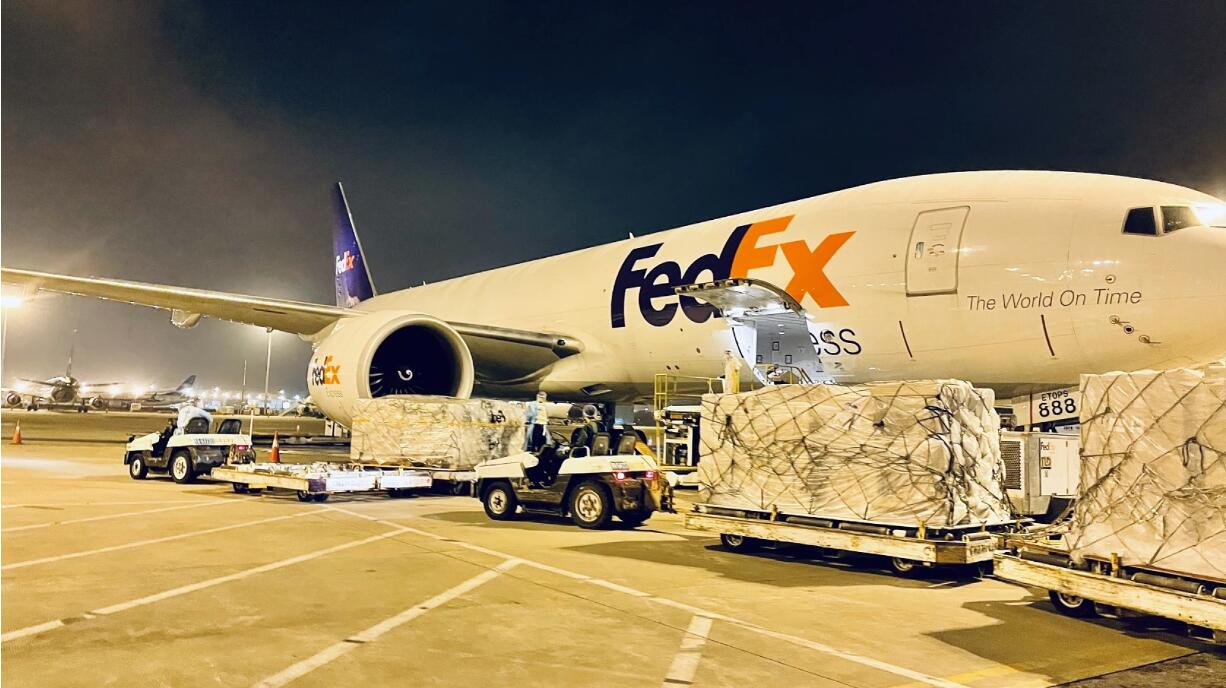
When shipping clothing by air freight to Thailand, there are several precautions to consider in order to ensure safe, timely, and cost-effective delivery. Air freight can be a reliable option for sending clothing internationally, but it requires careful planning and attention to detail. Below are the key points to keep in mind when shipping apparel to Thailand by air.
1. Understand the Import Regulations of Thailand
Before shipping any goods, it’s crucial to familiarize yourself with Thailand’s import regulations. The Thai Customs Department has specific rules and requirements for the import of goods, including clothing. It's important to ensure that the items you're shipping are not prohibited or restricted. For example, certain fabrics or materials might require additional documentation or permits. Customs duties and VAT are also applicable on clothing items, so understanding these costs in advance can help you avoid surprises upon arrival.
2. Choose the Right Shipping Method
Air freight offers various service levels, such as standard air freight, express services, and economy options. Depending on how quickly you need your clothing to arrive in Thailand, it’s important to choose the appropriate service. If you're looking to minimize costs and don’t mind a slightly longer delivery time, economy services could be a great choice. However, if you need a faster turnaround, express shipping may be necessary.
In addition to choosing the shipping method, ensure that you select a reliable air freight forwarder who is experienced with clothing shipments. A professional freight forwarder can help streamline the process and provide guidance on the most efficient routes and best packaging solutions.
3. Ensure Proper Packaging
Proper packaging is crucial when shipping clothing internationally. Air freight, despite its speed, can be rough on packages due to handling, stacking, and movement during transit. Use strong, high-quality packaging to ensure that your clothing arrives in good condition.
Here are a few tips:
- Use breathable packaging materials, such as poly bags, to prevent moisture damage.
- Garment boxes and hanger packs are ideal for clothing to avoid wrinkles and creases.
- Make sure the packaging is clearly labeled with both the sender’s and recipient's information to avoid confusion during delivery.
4. Customs Documentation
When shipping clothing by air freight to Thailand, make sure all the necessary customs documentation is in order. This typically includes:
- Commercial invoice: A detailed list of the items being shipped, including their value.
- Packing list: A breakdown of how the items are packaged.
- Certificate of origin (if required): This document verifies the origin of the goods being shipped.
- Bill of Lading: A contract between the shipper and the airline that outlines the terms of the shipment.
Incorrect or missing documentation can cause delays in customs clearance, resulting in additional costs and time wasted. It’s always best to double-check that everything is filled out accurately and completely.
5. Temperature and Humidity Control
Thailand’s tropical climate can pose a challenge for shipping clothing, particularly in terms of moisture and humidity. If you are shipping high-end clothing or delicate fabrics, consider using humidity-controlled packaging or air-conditioned storage options to protect your goods from moisture damage.
For example, sensitive fabrics like silk, wool, or leather might need extra protection to prevent discoloration, mold, or mildew during transit. Packaging solutions that use moisture-absorbing materials can help mitigate these risks. Additionally, if you're shipping luxury items, ensure the temperature is controlled throughout the entire transport chain.
6. Track Your Shipment
Once your clothing is in transit, it’s important to track your shipment regularly. Air freight companies offer tracking services that allow you to monitor the movement of your goods from the moment they leave your origin country to their arrival in Thailand. Regular tracking updates will help you stay informed and resolve any issues quickly if delays or problems occur.
7. Plan for Delivery to Thailand
Once your shipment arrives in Thailand, it will need to clear customs before it is delivered. You should ensure that you have a reliable local delivery partner to facilitate the final leg of the journey. Many air freight providers offer door-to-door delivery services, which can simplify the process for both you and the recipient.
However, if you prefer to handle the final delivery separately, ensure that the recipient in Thailand has the necessary customs clearance documents and knows how to pick up the shipment from the airport or a local customs facility. Failure to do so could lead to additional storage fees or even the return of the shipment.
8. Consider Insurance
Shipping clothing, especially valuable or designer items, comes with inherent risks. While air freight is generally safe, unforeseen issues can arise, such as damage, loss, or theft. It’s a good idea to invest in air freight insurance to protect your shipment. This way, in the event of any issues, you’ll have coverage for the goods' value.
9. Additional Costs to Factor In
Air freight can be more expensive than other shipping methods, so it's essential to account for all additional costs. This includes:
- Shipping fees: Based on the weight, dimensions, and destination of the clothing.
- Customs duties and taxes: Specific to clothing items.
- Handling charges: Charged by the airport or air freight service provider.
- Insurance fees: If you choose to insure your shipment.
Carefully budgeting for these costs will help you avoid unexpected financial burdens and ensure that your clothing arrives safely within your budget.
Conclusion
Shipping clothing to Thailand by air freight can be a smooth and efficient process if the proper precautions are taken. By understanding the import regulations, selecting the right shipping method, ensuring proper packaging, and preparing the necessary documentation, you can streamline the shipping process and avoid common pitfalls. Additionally, tracking the shipment, considering humidity control, and planning for delivery are all important steps that can contribute to a successful air freight experience. With the right preparation, your clothing can reach Thailand safely and on time, ready for sale or distribution.

Adhering to the business philosophy of "customer-centric" honesty first, pragmatic innovation", we focus on providing customers with "professional, safe, efficient and economical" international logistics services, and strive to become the first choice in the minds of customers.
ADDRESS: 101 Qinghui International, No. 160 Qisha Ferry Road, Shatian Town, Dongguan City, Guangdong Province
CONTACT NUMBER: 13620081619 / 18680404400
CONTACT PERSON: Shelly / Alan
E-mail: shelly@qhgj56.com
alan@qhgj56.com
Copyright © 2025 QH INTERNATIONAL LOGISTICS LIMITED