

Precautions for Air Freight of Clothing to the UK
- Time of issue:2025-08-01
Precautions for Air Freight of Clothing to the UK
- Time of issue:2025-08-01
When shipping clothing by air to the UK, it’s essential to follow certain precautions to ensure the smooth transport and delivery of goods. International air freight can be a complex process, and when dealing with clothing, additional considerations must be taken into account to prevent delays, damage, and unnecessary costs. This article outlines the key precautions to consider when shipping clothing to the UK by air.
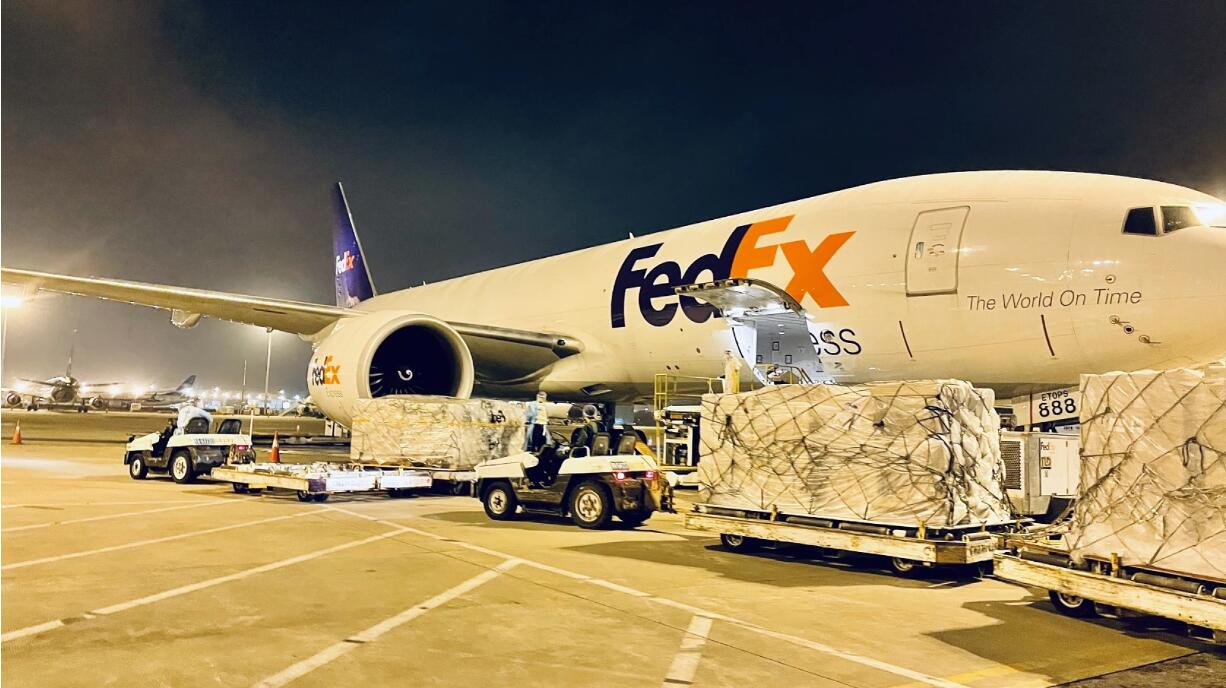
1. Understanding UK Import Regulations for Clothing
Before shipping clothing to the UK, it’s crucial to understand the relevant import regulations. The UK has strict customs laws to prevent the entry of counterfeit goods, substandard items, and products that don't meet the required safety standards. Ensure that your clothing complies with the following:
- Customs Declarations: All shipments entering the UK must have the correct customs documentation. This includes the commercial invoice, packing list, and any certificates of origin or other documents that might be required for specific clothing categories.
- Import Duties and VAT: Clothing imports may be subject to duties and VAT, depending on the value and type of the goods. It's essential to check the applicable tariffs and ensure that your shipment value is declared accurately.
- Safety Standards: Clothing items must meet the UK’s safety standards. Ensure that products like children’s wear adhere to the required flammability standards and labeling laws.
2. Choosing the Right Packaging for Air Freight
Proper packaging is essential to prevent damage during air freight. Clothing items can be delicate, and incorrect packaging can lead to issues such as wrinkling, discoloration, or even loss of the product. Consider the following packaging tips:
- Use High-Quality Materials: Choose durable packaging materials such as corrugated boxes, polybags, or protective wraps to prevent damage. Avoid using flimsy materials that could tear or crush easily.
- Avoid Overpacking: Overpacked boxes can be difficult to handle and may be subject to delays or even rejection during transport. Ensure that the packaging allows enough space for handling and that it’s secure without being too tight.
- Labeling and Tags: Ensure that all items are clearly labeled with the necessary information, including the product’s contents, size, brand, and destination address. This helps facilitate the customs clearance process.
3. Working with Reliable Freight Forwarders
Partnering with a reputable freight forwarder is key to a successful air freight operation. A trusted freight forwarder will have the expertise and connections needed to handle your shipment efficiently. They can provide support with the following:
- Customs Clearance: Freight forwarders can help ensure that all necessary customs documentation is in order and assist in managing any customs duties, taxes, or other fees that might arise.
- Track and Trace: A good freight forwarder will offer tracking services, allowing you to monitor the shipment’s progress in real-time. This is especially important when shipping time-sensitive items like fashion goods or seasonal clothing.
- Handling Special Requirements: If your clothing includes fragile items or high-value goods, a reliable freight forwarder can provide specialized services, such as climate-controlled shipping or additional insurance coverage.
4. Choosing the Right Shipping Routes and Carriers
When shipping clothing to the UK by air, it’s important to choose the most efficient and cost-effective route. Consider the following factors:
- Transit Times: Air freight offers faster delivery compared to sea or road transport, but transit times can vary depending on the route and carrier. Choose a carrier with a track record of reliable and timely deliveries.
- Cargo Size and Weight: Air freight costs are determined by both the size and weight of the shipment. Clothing is generally light but bulky, so it’s important to ensure that the shipment is appropriately consolidated and packed to optimize space and reduce costs.
- Carrier Reputation: Choose a carrier with a good reputation for handling clothing shipments and delivering goods on time. International carriers like DHL, FedEx, and UPS have extensive experience in air freight logistics and can provide end-to-end solutions for your shipment.
5. Preparing for Delays and Contingencies
While air freight is generally faster than other modes of transport, delays can still occur due to factors such as weather conditions, customs processing, or airline scheduling issues. It’s important to plan for potential delays by:
- Insurance: Protect your shipment by purchasing cargo insurance. This will ensure that you are covered in case of loss, theft, or damage during transit.
- Buffer Time: Plan for additional lead time in case of unexpected delays. This will help ensure that your goods reach their destination on time, especially if they are part of a seasonal collection or promotional campaign.
6. Quality Control and Inspection
Before shipping your clothing items, ensure that all products undergo a quality control check to verify their condition and compliance with UK regulations. This can prevent costly returns, customs issues, and customer dissatisfaction. Inspect the following aspects:
- Product Quality: Ensure that the clothing is free from defects, such as loose threads, incorrect stitching, or discoloration. Poor-quality products may result in returns or penalties.
- Compliance with Packaging Standards: Check that each item is packaged properly and labeled according to UK standards. This ensures that your shipment passes through customs without delay.
Conclusion
Air freight offers a fast and efficient method of transporting clothing to the UK, but it requires careful planning and adherence to regulations. By understanding UK import requirements, choosing the right packaging, partnering with a reliable freight forwarder, and preparing for potential delays, you can ensure a smooth and successful shipping process. Additionally, maintaining quality control and following best practices will help prevent costly mistakes and deliver clothing to your customers in the best possible condition.

Adhering to the business philosophy of "customer-centric" honesty first, pragmatic innovation", we focus on providing customers with "professional, safe, efficient and economical" international logistics services, and strive to become the first choice in the minds of customers.
ADDRESS: 101 Qinghui International, No. 160 Qisha Ferry Road, Shatian Town, Dongguan City, Guangdong Province
CONTACT NUMBER: 13620081619 / 18680404400
CONTACT PERSON: Shelly / Alan
E-mail: shelly@qhgj56.com
alan@qhgj56.com
Copyright © 2025 QH INTERNATIONAL LOGISTICS LIMITED